
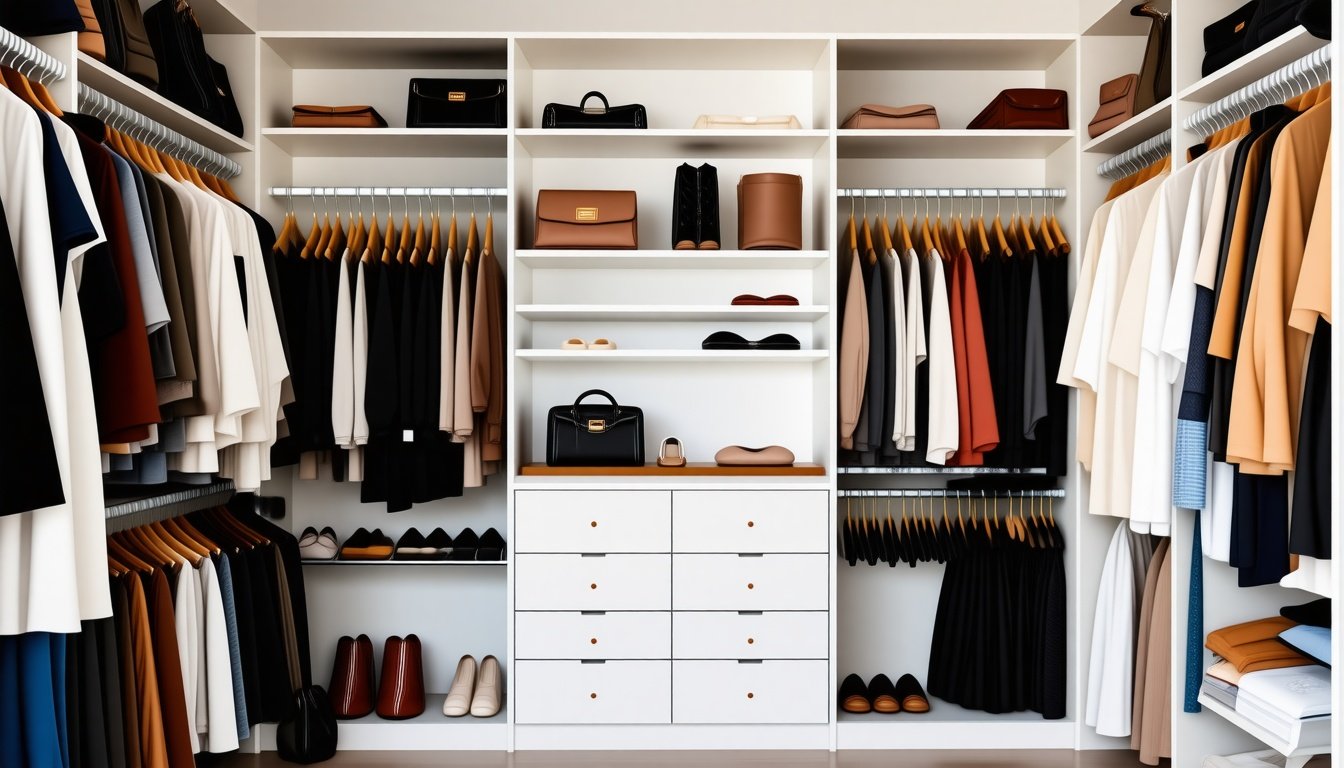
I always thought designing my own closet would be a simple, fun project—just shelves, rods, drawers, and some fancy lighting thrown in for good measure. Turns out, it was way more personal than I expected. The biggest surprise? Trying to strike a balance between having a space that feels open and inviting, while still keeping certain things private. Yes, even closets have secrets.
At first, I pictured a show-off-worthy closet where everything was out in the open, stylish and colorful like something from a magazine. I wanted to admire my favorite shoes, display my handbag collection, and feel like a queen walking into a boutique every morning. But reality quickly kicked in. I also needed spots where things could stay behind closed doors: delicate pieces, private items, or just the everyday clutter I did not want anyone seeing. Privacy mattered more than I realized.
So, how did I find the sweet spot between openness and privacy in my closet design?
The Vision: Open and Private, Together
Closets usually lean toward one direction or the other. Some are glass-walled, totally transparent spaces that scream “look at me.” Others are more like fortress rooms where the door slams shut tightly and everything stays hidden away. I wanted my closet layout to breathe like a living space, somewhere I could enjoy the view of my favorite things without feeling like a museum curator or a secret hoarder.
That meant I had to get creative. I needed a design that was part showroom, part hide-and-seek. And because this was my sanctuary, it had to make me feel calm and joyful, not overwhelmed or exposed.
What I Learned From Watching How I Use My Closet
Before talking to designers or buying anything, I spent time just watching myself using the space I already had. Sounds odd, right? But it worked. I noticed patterns like:
- I liked opening up some sections because I enjoyed seeing everything at once.
- Other spots I avoided because they felt messy or stressful.
- Every day items—like my favorite jeans and sneakers—needed quick access.
- Special pieces, like my dressy jackets and delicate scarves, needed to be protected.
These small observations guided me more than any fancy trend or design book.
Open Shelving: The Freedom to See and Choose
The open parts of my closet are like windows into my personality. I kept my everyday clothes, shoes, and accessories on open shelves or rods because I wanted to grab things quickly without digging through drawers. Plus, displaying my favorite handbags gave me little bursts of happiness every time I walked by. It felt like a collection of memories and style all in one.
But here’s a secret: open shelving works best when everything has a place and stays neat. Otherwise? It looks chaotic real fast. My rule became simple — only keep out what I truly love and use regularly. The rest? They had to go somewhere else.
Tips for Making Open Shelving Work
- Group items by category and color. It makes picking out an outfit oddly satisfying.
- Use matching hangers for a sleek, organized look.
- Limit the number of items on display so it does not feel overwhelming.
- Consider baskets or bins for small accessories that tend to get lost.
- Keep the area well-lit; good lighting makes everything pop and keeps the space inviting.
These little things made my open shelves fun, functional, and something I actually wanted to show off.
The Private Zones: When Closed Doors Are a Blessing
Not everything in my closet deserves a spotlight. Some things need privacy—whether it is because they are delicate, embarrassing, or simply not meant for daily display. You know those sweaters that have questionable stains? Or that secret stash of cozy pajamas you only wear when no one is watching? Yeah, those.
So, I created private zones with doors and drawers. These areas relieved my stress and helped contain the messier side of my closet life. Every time I shut a door, I felt a wave of calm wash over me. Closure, literally.
How I Designed Private Spaces
- Closed cabinets for delicate fabrics and formal wear.
- Drawers with dividers to hide socks, underwear, and jewelry.
- Small boxes inside drawers for sentimental trinkets and things I did not want to misplace.
- Opaque doors that matched the room’s decor so private areas blended in seamlessly.
I realized these private zones became the “quiet rooms” of my closet. Sometimes, I even loved opening them just to remind myself I had these hidden treasures safely tucked away.
Materials and Textures: Adding Personality Without Chaos
To me, materials are like the mood-setters of a room. For an open-and-private mix, I chose textures that worked well together but also created natural boundaries.
Wood became my best friend—smooth, warm, and versatile. Some parts have glass fronts to peek inside without exposing everything. Others have solid panels that keep certain sections hush-hush.
I threw in velvet-lined drawers for jewelry and soft fabric bins for scarves. These tactile choices were small luxuries that made my closet feel custom and cozy at the same time.
Why Texture Matters More Than You Think
- It adds depth to the design, keeping things interesting even when the closet is closed.
- Soft textures protect delicate items better.
- Contrasting materials subtly guide what is open and what is private.
It is like creating a secret language between your things and the room. Your hands and eyes can tell instantly where to look or reach.
Lighting: Showing Off and Hiding In Style
Lighting felt like the magic ingredient. I installed LED strip lights in the open shelves to highlight the things I wanted to see every day. At the same time, the closed cabinets have soft, indirect lighting that turns on only when opened, like a mini stage light revealing a hidden treasure.
This mix of light and shadow adds drama and comfort. Walking into my closet can feel like stepping into a chic boutique or a private dressing room, depending on where I am.
Lighting Tricks I Swear By
- Motion sensors on the closed doors so they light up only when I need to see inside.
- Warm-light LEDs to avoid harshness and add coziness.
- Spotlights on feature items to make them pop (hello, glittery heels!).
- Dimmable options for different moods—bright for outfit hunting, soft for late-night prep.
Personal Moments in a Luxury Closet
Building a luxury closet is often seen as a purely practical or aesthetic act. For me, it became deeply personal. I was designing a space that reflects my need for order, beauty, and privacy all at once. It was about trust. Trusting myself to honor what needs to be seen and what deserves to stay hidden.
Sometimes, the closet felt like a chest of memories and hopes. A place where I could feel both exposed and protected. There is a strange comfort in knowing you have a little sanctuary filled with your treasures—out in the open or behind closed doors, it does not matter.
Final Thoughts? Nah, Just Some Friendly Advice
If you are thinking about designing a closet that balances openness and privacy, here is what I wish someone told me:
- Watch how you use your current closet before planning anything. You will be amazed at what you learn.
- Do not feel pressured to put everything on display. Let your space highlight your style and hide your clutter.
- Invest in good materials and lighting. They do more than look pretty; they change how you feel about your space.
- Remember, your closet is for you. Create ‘secret spots’ that only you know about.
- Be ready for your closet to grow with you—both in style and function.
At the end of the day, this is not just about clothes or shoes. It is about creating a little world where you feel free and safe at the same time. And that balance? It is pure magic.